
How to Prevent Weeds from Coming Back After Removal
Weeds are one of the most persistent challenges in maintaining a healthy lawn or garden. Even after pulling, digging, or treating them, many homeowners notice that unwanted growth returns quickly, often stronger than before. This happens because weeds are highly adaptive, and their seeds or root systems can remain in the soil long after visible plants are removed. Developing a long-term strategy is essential for keeping landscapes clean and balanced.
One of the most effective long-term approaches involves consistent maintenance and prevention rather than repeated short-term fixes. Many homeowners turn to a professional weed control service to help manage recurring infestations, especially when weeds spread faster than manual removal can keep up with. Understanding why weeds return and how they spread is the first step toward breaking the cycle and maintaining a healthier outdoor space.
How Important Is Timely Weed Removal?
Timely weed removal plays a critical role in preventing future infestations. Weeds compete aggressively with grass and ornamental plants for sunlight, water, and nutrients. When left untreated, even for a short period, they can mature and release thousands of seeds into the surrounding soil, creating a cycle of regrowth that becomes increasingly difficult to manage.
Early removal interrupts this cycle before weeds establish deep root systems or spread seeds. This is where a consistent weed control service can make a noticeable difference, as scheduled treatments ensure that weeds are addressed at their earliest stages rather than after they have already spread. Prompt attention also reduces the likelihood of weeds adapting to their environment, which can make future control more difficult.
Another important factor is that weeds left to grow unchecked often create dense patches that shade out desirable plants, weakening the overall health of the lawn. In many cases, homeowners who delay removal end up needing more intensive interventions later, including repeated applications of treatments from a weed control service to regain control of the landscape.
What Are the Best Practices for Preventing Weed Regrowth?
Preventing weeds from returning requires a combination of cultural practices, soil management, and consistent maintenance. One of the most important strategies is maintaining a dense, healthy lawn or garden bed, as thick vegetation naturally reduces the space available for weeds to grow. Proper mowing height, fertilization, and irrigation all contribute to this balance.
Soil health also plays a major role. Compacted or nutrient-poor soil often creates conditions where weeds thrive more easily than desirable plants. Aerating the soil and applying organic matter can significantly improve resistance to weed invasion. Many homeowners also rely on a weed control service to help assess soil conditions and apply targeted treatments that discourage regrowth.
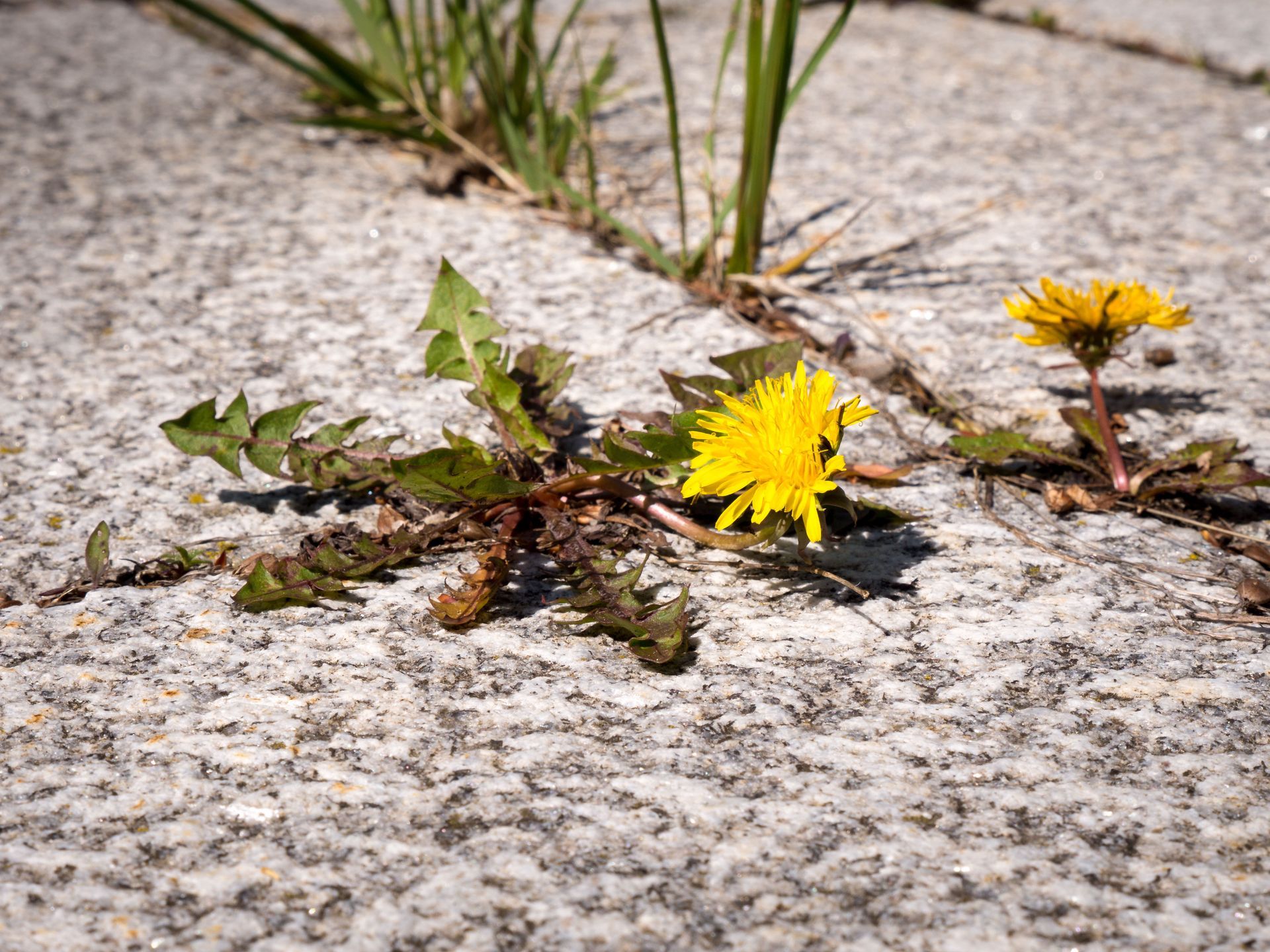
Another useful practice involves understanding weed types. According to Preen, weeds are typically grouped into two categories based on their plant structure: broadleaf and grassy. Broadleaf weeds often have wider leaves and include species like dandelions, while grassy weeds resemble turf grass but grow in unwanted areas. Recognizing this distinction helps in selecting the most effective control strategy, especially when working with a weed control service that tailors treatments to specific weed types.
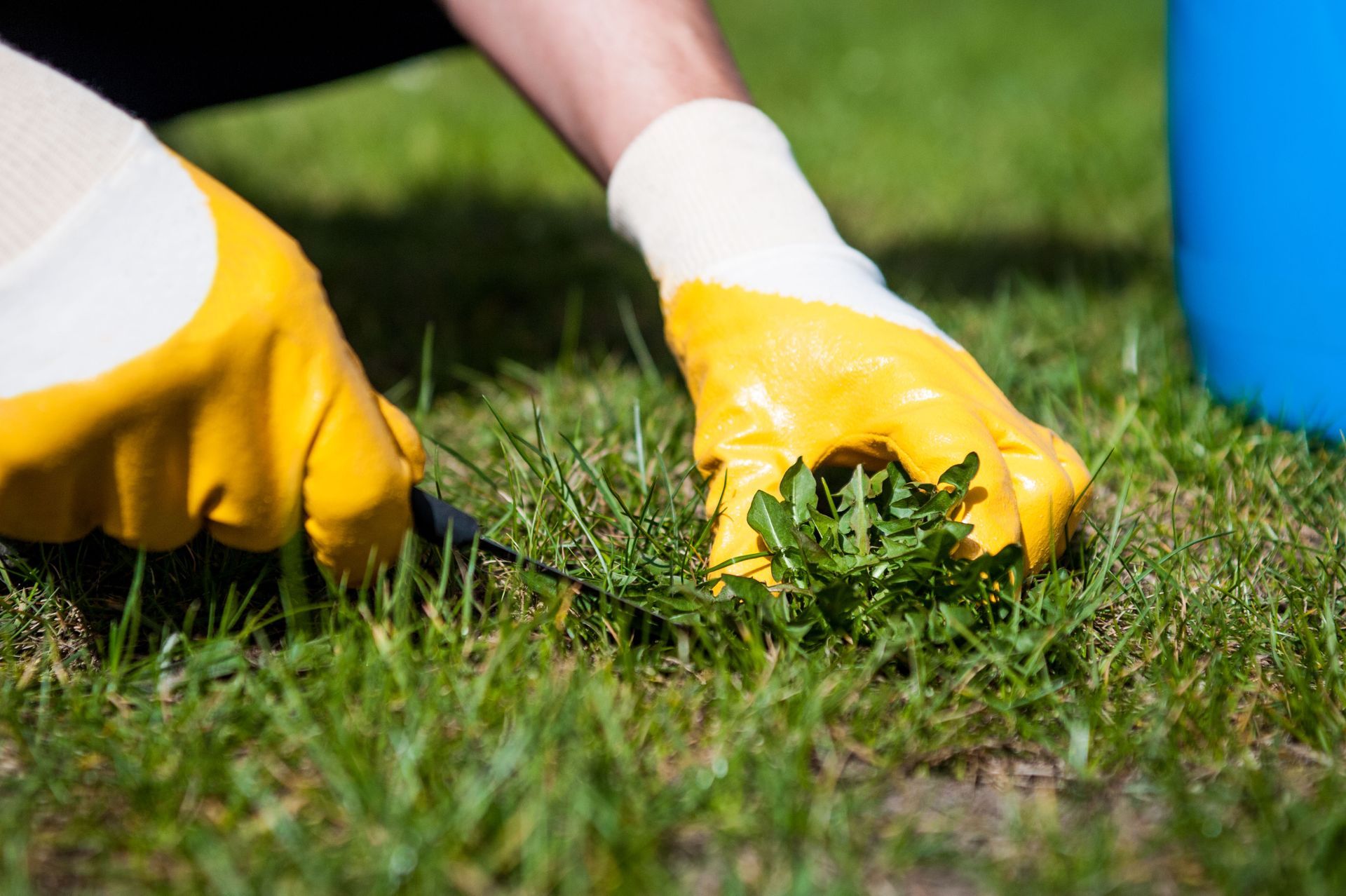
Additionally, consistent monitoring is essential. Even small weed sprouts should be removed immediately to prevent establishment. A proactive approach ensures that problems are addressed before they escalate into widespread infestations.
How Can Mulching Help in Weed Prevention?
Mulching is one of the most effective and natural methods for suppressing weed growth while also improving soil health. By creating a physical barrier over the soil, mulch blocks sunlight from reaching weed seeds, preventing germination. Organic mulches such as wood chips, bark, and straw also break down over time, enriching the soil with nutrients.
In landscaped beds, mulch not only reduces weed emergence but also helps retain moisture and regulate soil temperature. This creates a healthier environment for desirable plants, reducing stress and improving overall growth. Many homeowners combine mulching practices with support from a weed control service to ensure that both preventative and reactive strategies are in place.
Consistency is key when using mulch for weed prevention. Thin or uneven layers can allow weeds to push through, reducing its effectiveness. Replenishing mulch regularly helps maintain its protective barrier. When integrated with periodic treatments from a weed control service, mulching becomes part of a broader, long-term weed management plan that significantly reduces regrowth. Over time, this layered approach can also improve soil structure and make future weed outbreaks easier to manage.
Are There Specific Weed Control Services That Can Help?
Professional assistance can be especially valuable when dealing with persistent or widespread weed problems. A weed control service typically offers targeted treatments, seasonal maintenance plans, and expert assessments that go beyond what most homeowners can achieve through DIY methods alone.
One of the main advantages of using a weed control service is access to specialized knowledge about local weed species and their growth patterns. Professionals can identify the underlying causes of recurring infestations and apply treatments designed for long-term suppression rather than temporary relief. In many cases, a weed control service will also adjust its approach throughout the year based on seasonal changes, ensuring consistent protection.
Another benefit is the use of calibrated application methods that reduce damage to desirable plants while targeting weeds directly. This precision is especially important in mixed landscapes where grass, flowers, and shrubs coexist. Some homeowners also choose a weed control service for convenience, as scheduled maintenance eliminates the need to constantly monitor and treat weeds themselves.
In more severe cases, a weed control service may combine mechanical removal, soil treatment, and preventative applications to restore the health of the lawn or garden fully. This comprehensive approach helps prevent regrowth more effectively than isolated treatments.
What Role Do Herbicides Play in Weed Management?
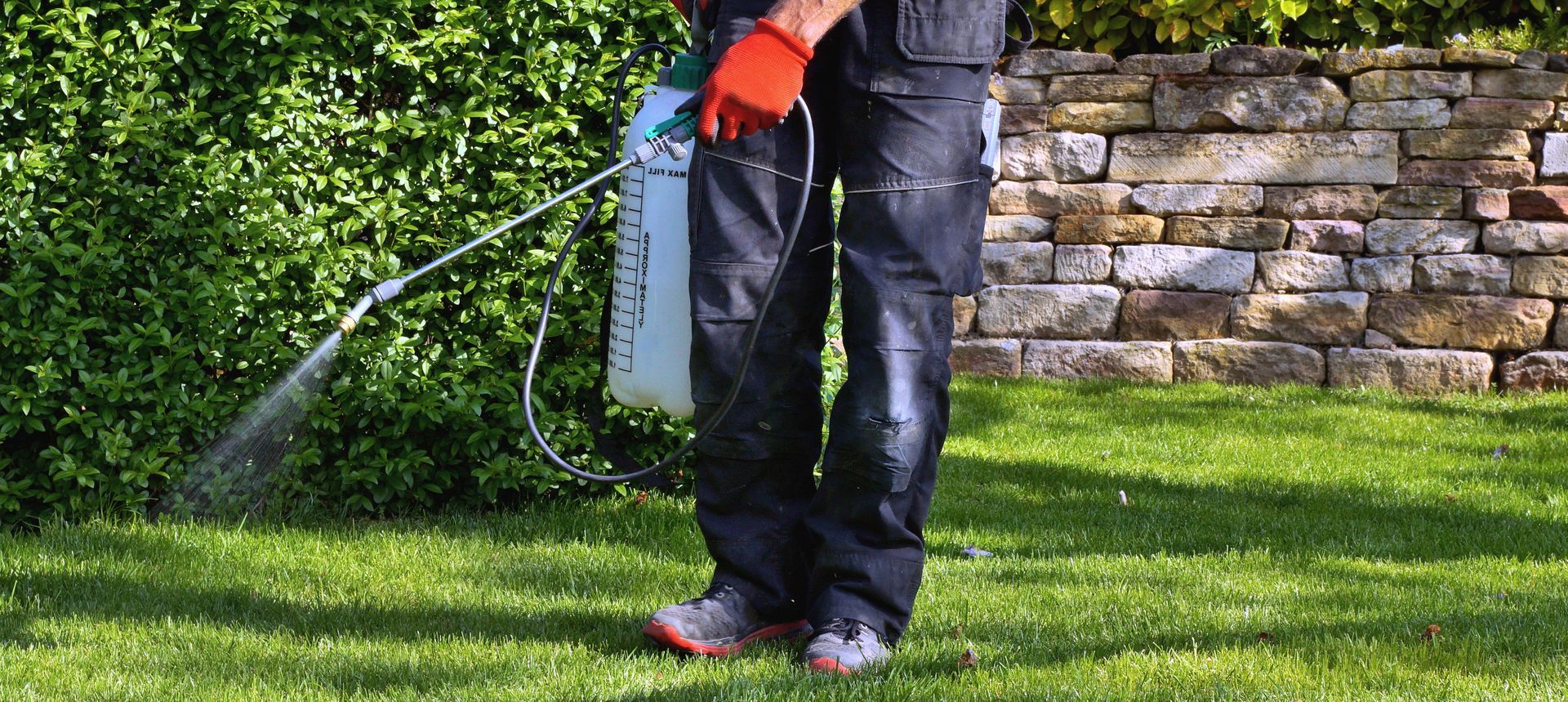
Herbicides are a powerful tool in controlling and preventing weed growth when used correctly. They work by targeting specific biological processes in plants, either preventing germination or eliminating existing growth. Selective herbicides can target weeds without harming grass or other desirable plants, while non-selective options are used for complete vegetation control in certain areas.
When integrated into a broader strategy, herbicides can significantly reduce the likelihood of weed regrowth. Many homeowners rely on a weed control service to apply these treatments safely and effectively, ensuring proper timing and dosage. This professional oversight is particularly important because improper use of herbicides can damage surrounding plants or lead to resistance in weed populations.
Pre-emergent herbicides are especially useful because they prevent weed seeds from sprouting in the first place. Post-emergent treatments, on the other hand, are used to eliminate weeds that have already appeared. A balanced approach often involves both types, depending on the season and the severity of the infestation. A weed control service typically evaluates these factors before creating a treatment plan.
Preventing weeds from returning after removal requires a combination of timely action, consistent maintenance, and strategic intervention. From improving soil health and using mulch to applying targeted herbicides, each method plays a role in building a resilient landscape. For many homeowners, partnering with a professional
weed control service provides the structure and expertise needed to maintain long-term results. With the right approach, it is possible to significantly reduce weed regrowth and maintain a healthier, more attractive outdoor space year-round. If you're looking for reliable weed control, reach out to the team at East Valley Weed Control today!
Share On: