
Weed Removal vs. Weed Control: What’s the Difference and Why It Matters
Weeds are a persistent challenge for property owners, landscapers, and agricultural operations alike. They compete with desirable plants for water, nutrients, and sunlight while often reducing the overall appearance of outdoor spaces. Many people use the terms weed removal and weed control interchangeably, but they refer to two different approaches to managing unwanted vegetation. Understanding the distinction between these methods can help property owners make better decisions about maintaining healthy and attractive landscapes. While one approach focuses on eliminating visible weeds, the other aims to reduce future growth and prevent recurring problems. Choosing the right strategy often depends on the type of property, the severity of the infestation, and long-term maintenance goals. A comprehensive approach usually combines both methods to achieve the most effective results. Knowing how each option works can help create a healthier outdoor environment that remains manageable throughout the year.
Eliminating Existing Weeds Before They Spread
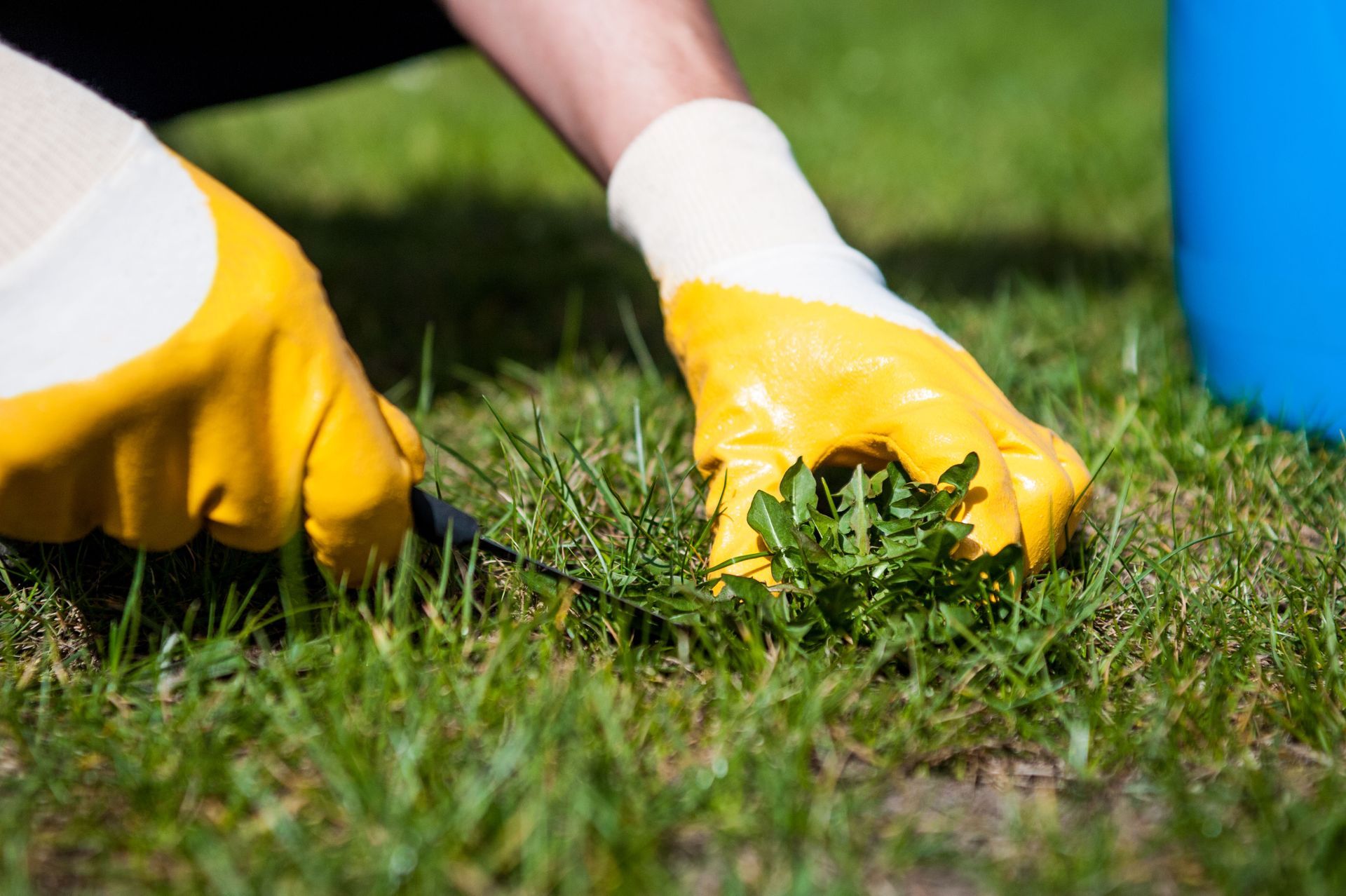
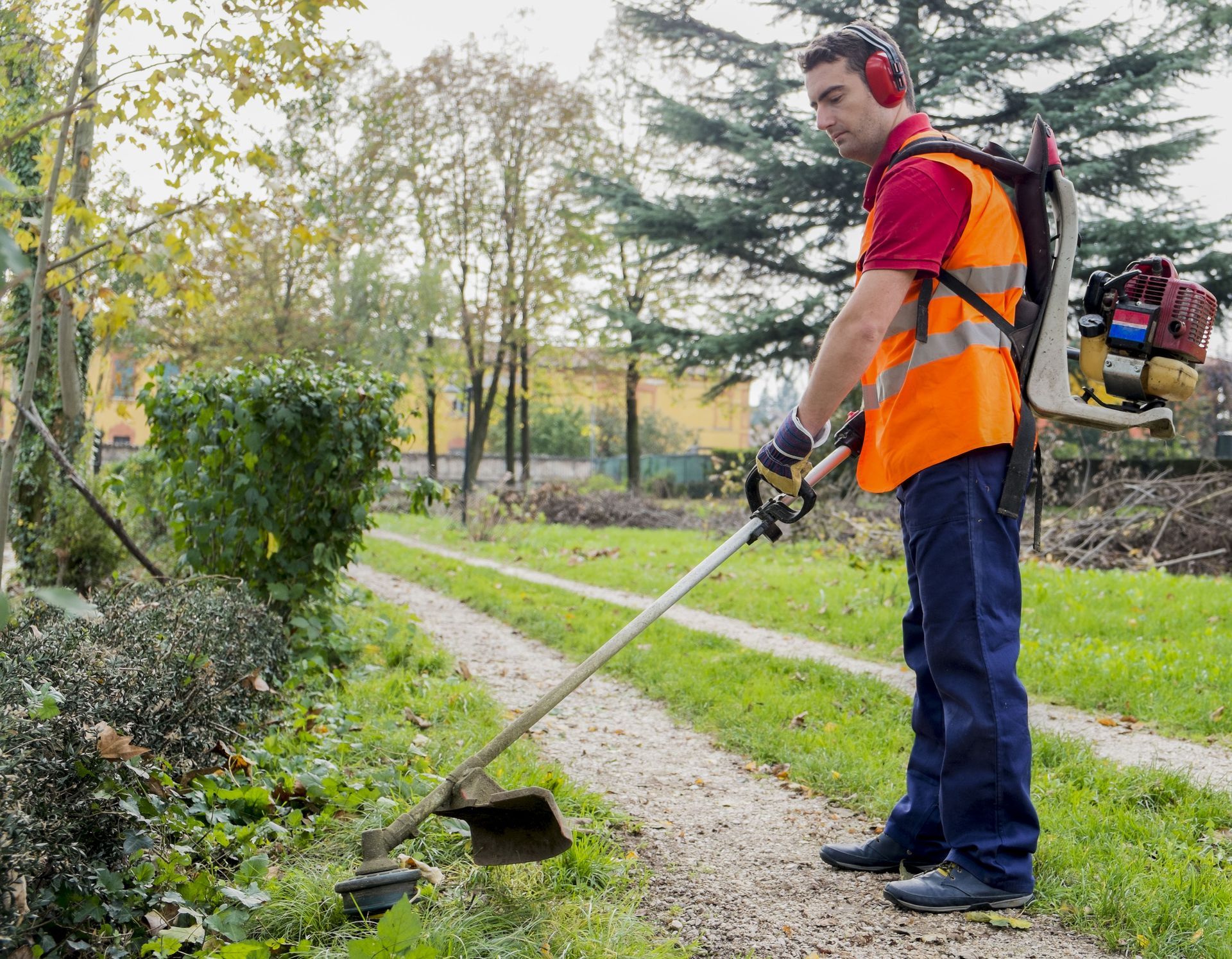
The primary purpose of weed removal is to physically eliminate unwanted plants that are already present in a landscape. This process may involve pulling weeds by hand, cutting them down, digging out roots, or using specialized equipment to remove large infestations. The goal is to address the immediate problem by clearing visible vegetation from the property. Removing weeds can quickly improve the appearance of lawns, gardens, and open spaces. It can also reduce competition for nutrients and water that desirable plants need to thrive. However, eliminating visible growth does not always address the underlying conditions that allowed the weeds to develop in the first place. Seeds remaining in the soil may continue to germinate and create new growth over time. For this reason, weed removal is often viewed as an important first step rather than a complete long-term solution.
Preventing Future Growth Through Weed Control
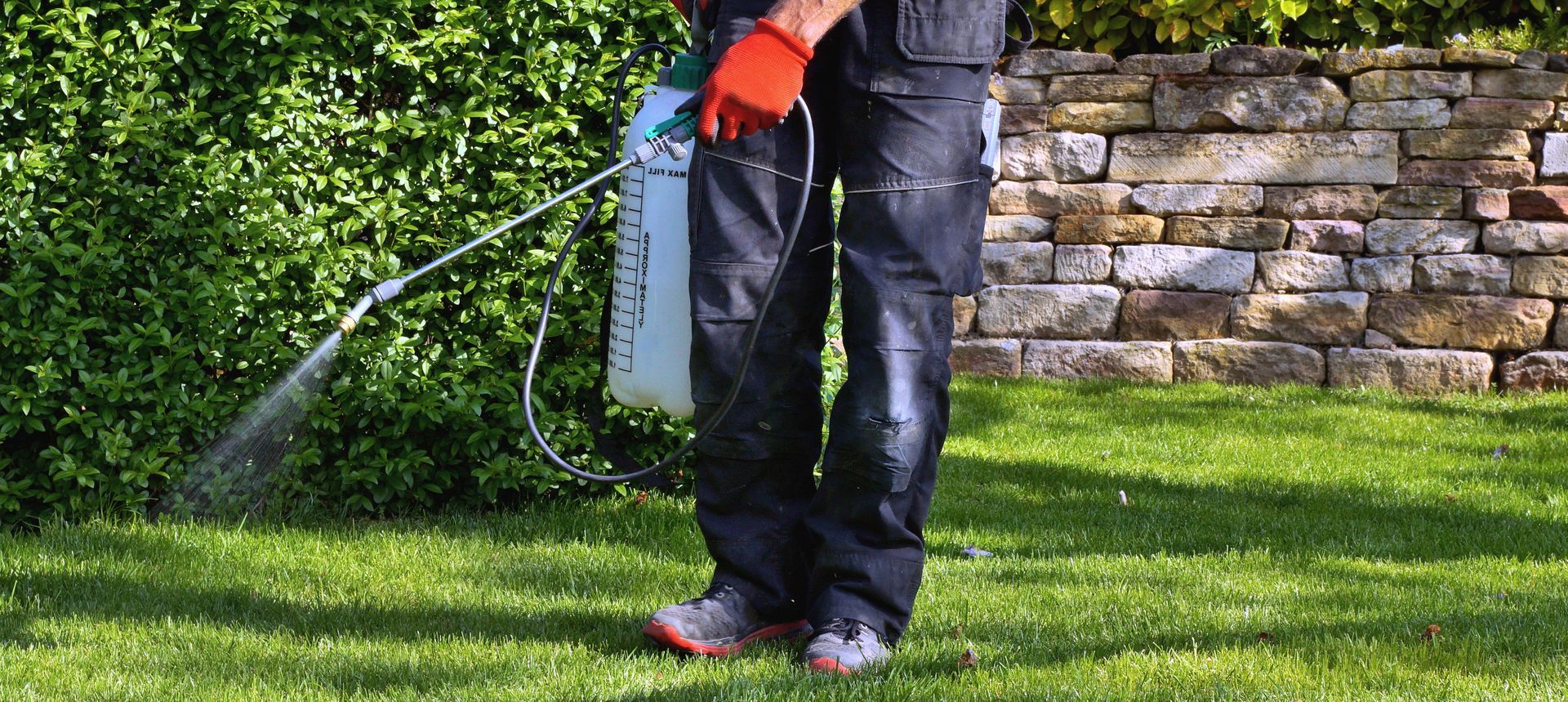
While removing existing vegetation addresses current problems, weed control focuses on reducing the likelihood of future infestations. This strategy involves creating conditions that discourage unwanted plants from returning. Methods may include applying targeted treatments, improving soil conditions, adjusting irrigation practices, or implementing ongoing maintenance plans. The objective is to manage weed populations before they become overwhelming. Effective control programs are designed to interrupt growth cycles and limit opportunities for weeds to establish themselves. Property owners who prioritize prevention often experience fewer recurring problems and lower maintenance demands over time. A proactive approach can also help preserve the health and appearance of desirable landscaping features. By concentrating on prevention rather than reaction, long-term landscape management becomes more efficient and cost-effective.
Protecting the Health of Desirable Plants
One of the most important reasons to address unwanted vegetation is the impact it can have on surrounding plants. Weeds compete aggressively for essential resources, including sunlight, moisture, and nutrients found in the soil. As these invasive plants spread, they can weaken lawns, flower beds, shrubs, and other landscaping features. Healthy plants often struggle to reach their full potential when forced to compete with fast-growing weeds. Removing and managing invasive growth helps ensure that desirable vegetation receives the resources it needs. Stronger plants are generally more resilient to environmental stress, pests, and seasonal changes. Maintaining proper plant health also contributes to a more attractive and balanced landscape. Investing in both immediate removal and long-term management can significantly improve the overall vitality of outdoor spaces.
Reducing the Risk of Widespread Infestations
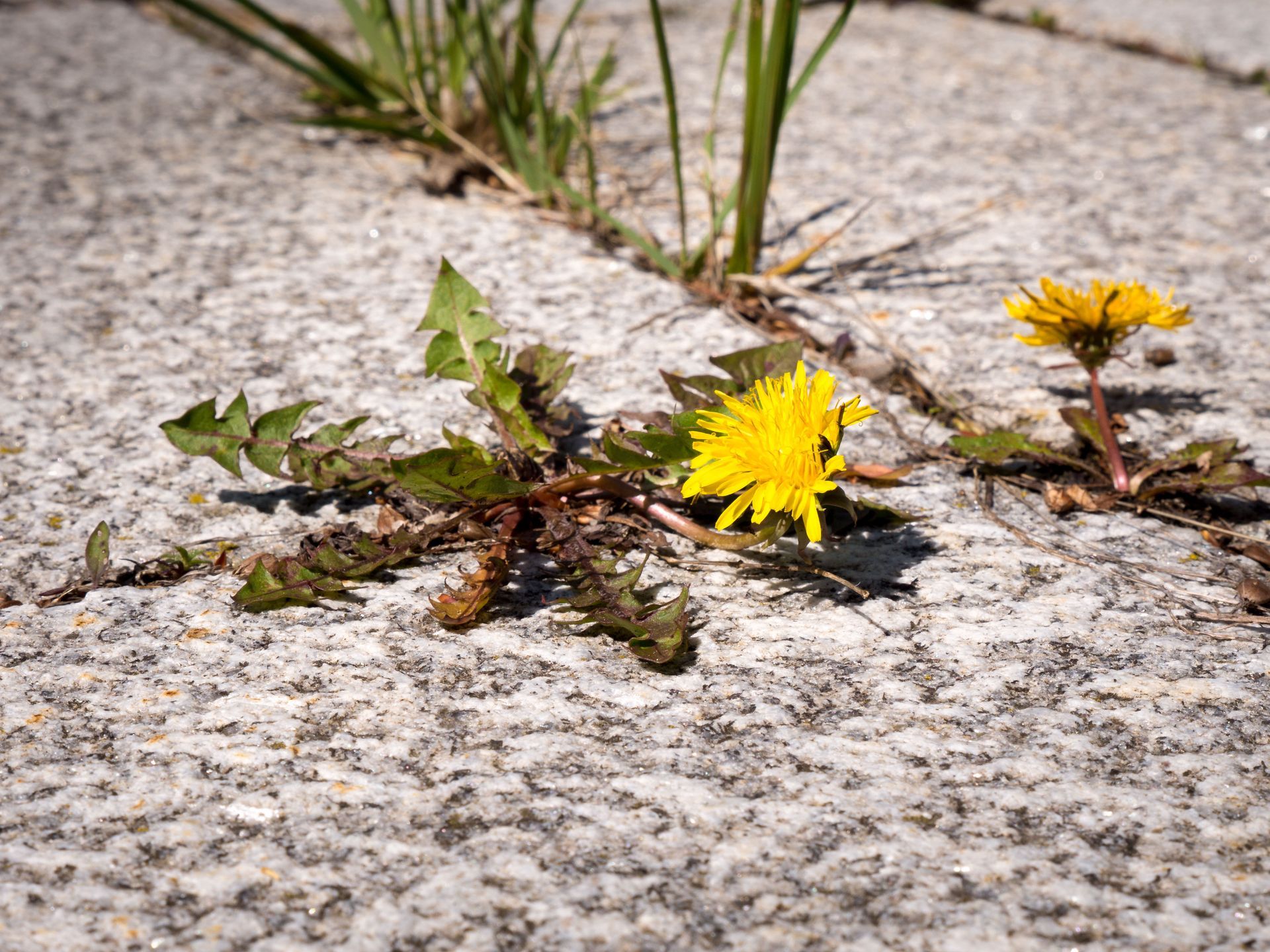
Many weeds produce large quantities of seeds that can spread quickly across a property and beyond. What begins as a small patch can rapidly develop into a much larger problem if left untreated. According to the Weed Science Society of America’s 2025 survey, nine of the ten most frequently encountered weed species remained the same as those identified in 2022, demonstrating how persistent and widespread certain invasive plants continue to be. This consistency highlights the importance of ongoing management efforts rather than relying solely on occasional cleanup. Once weeds become established, they can be significantly more difficult and costly to address. Early intervention often prevents minor issues from developing into major infestations. Consistent monitoring allows property owners to identify new growth before it spreads extensively. A proactive strategy helps minimize disruption and maintain better control over the landscape.
Improving the Appearance of Outdoor Spaces
The visual impact of weeds should not be underestimated when evaluating landscape quality. Overgrown vegetation can make even well-maintained properties appear neglected and poorly cared for. Unwanted growth often disrupts the clean lines and organized appearance that property owners work hard to achieve. By addressing invasive plants promptly, landscapes can maintain a more polished and professional look. Weed removal contributes to immediate visual improvement by clearing unsightly growth from lawns, pathways, and planting beds. Long-term management strategies help preserve these results and reduce the frequency of recurring problems. Attractive outdoor spaces can enhance property enjoyment while creating positive impressions for visitors, customers, or potential buyers. Consistent attention to vegetation management supports the overall appearance and value of the property.
Supporting Long-Term Property Maintenance Goals
Landscape maintenance involves much more than mowing grass and trimming shrubs. Effective management requires addressing factors that can gradually undermine the health and appearance of outdoor environments. Weeds are often among the most persistent challenges because they can adapt to a wide range of conditions and spread rapidly when left unchecked. Incorporating both removal and prevention into a maintenance plan helps create a more stable and manageable landscape. Property owners who invest in ongoing care often spend less time and money dealing with large-scale infestations later. Preventative measures also contribute to more predictable maintenance schedules and healthier growing conditions. By focusing on long-term objectives rather than temporary fixes, landscapes can remain attractive and functional throughout the seasons. A strategic approach supports both aesthetic and practical goals.
Reducing Maintenance Time and Costs
Many property owners focus on removing visible weeds without considering the long-term maintenance demands that recurring growth can create. Repeated infestations often require additional labor, equipment use, and ongoing attention throughout the year. By combining weed removal with effective control strategies, property owners can reduce the frequency of maintenance visits and minimize the effort needed to keep landscapes looking their best. Preventative measures help limit new growth before it becomes a larger issue, making routine upkeep more manageable. Over time, this proactive approach can reduce the resources required to maintain lawns, gardens, commercial properties, and open spaces. It also allows maintenance efforts to be directed toward improving the overall health and appearance of the landscape rather than constantly addressing the same recurring problems. Consistent management creates a more efficient maintenance plan and helps avoid the expenses associated with large-scale infestations. Investing in long-term solutions often provides greater value than relying solely on repeated removal efforts.
Choosing the Right Approach for Lasting Results
Determining the most effective strategy depends on the specific needs and conditions of each property. Some situations require immediate action to eliminate extensive growth, while others benefit more from preventative measures designed to reduce future problems. In many cases, combining both methods produces the best outcome. Weed removal addresses visible issues, while ongoing management reduces the likelihood of recurring infestations. Understanding the differences between these approaches allows property owners to make informed decisions about landscape care. Long-term success often comes from balancing immediate improvements with preventative strategies that protect the property over time. Consistent attention and professional guidance can make a significant difference in achieving sustainable results. For reliable solutions that help keep your property looking its best, contact East Valley Weed Control today and learn how a customized management plan can support your landscape goals.
Share On: