
Why Regular Weed Removal Is Essential for a Healthy Garden
Maintaining a healthy garden demands consistent attention and care. While every garden enthusiast dreams of flourishing flowers and thriving vegetables, achieving such goals requires addressing the persistent challenge. Regular service from weed control companies is pivotal to maintaining garden health by minimizing competition for resources, preventing disease spread, and enhancing the garden's aesthetic value.
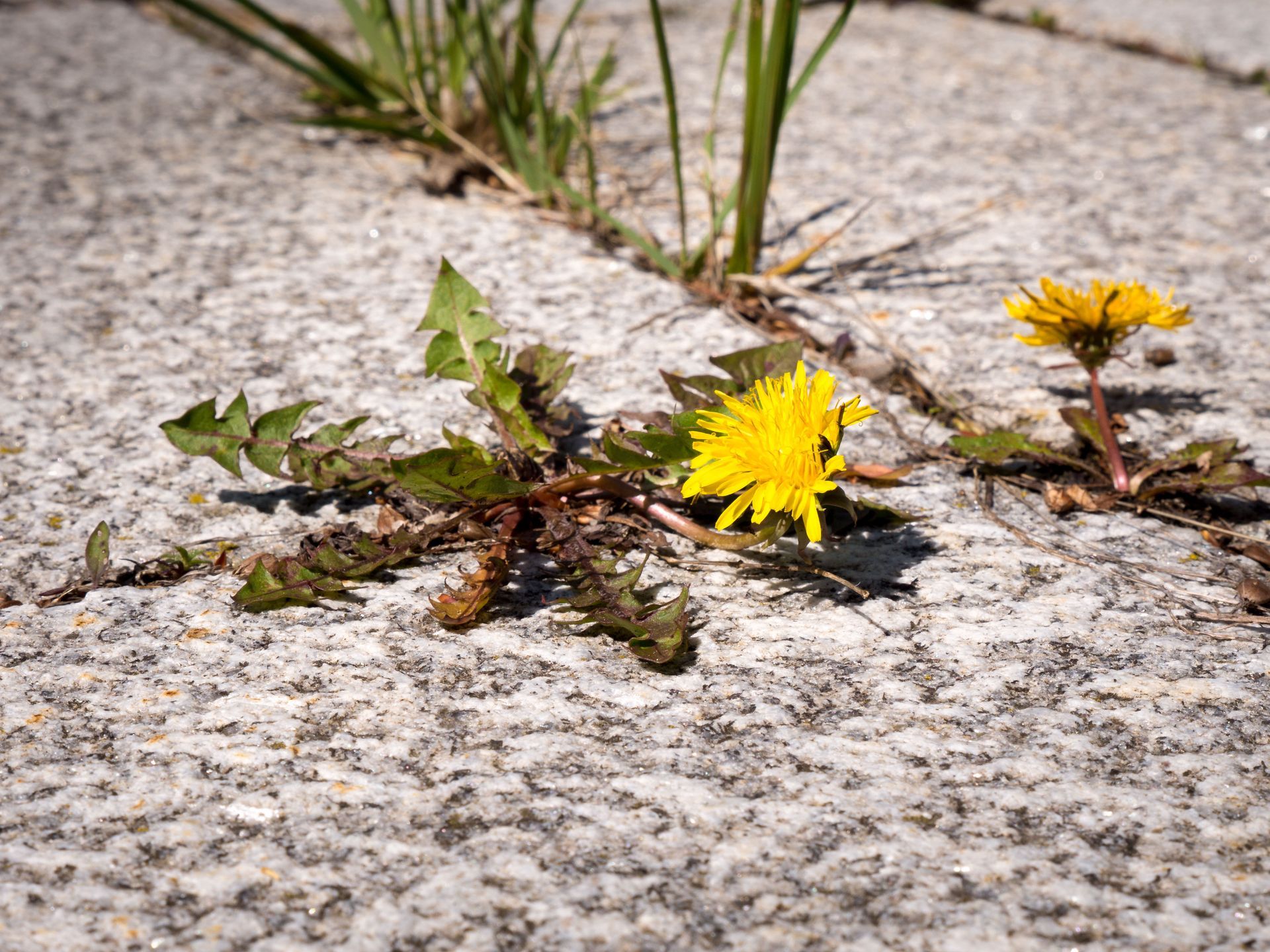
Weeds are more than just an eyesore; if not treated, they can significantly undermine the overall well-being of a garden's ecosystem. As weeds grow, they compete with desired plants for vital resources, a concern that every gardener must address. Gardeners can create an environment where plants not only survive but thrive.
The Impact of Weeds on Plant Health
Weeds significantly threaten garden health by aggressively competing with desirable plants for essential nutrients like nitrogen, phosphorus, and potassium, as well as critical water resources. According to House Beautiful, many weeds germinate rapidly once soil temperatures hit 55°F, which allows them to outpace garden plants and lead to stunted growth, reduced yields, and soil dehydration. This competition is especially damaging when perennial weeds with deep root systems tap into lower soil layers or when rapid growth cycles lead to soil erosion and the breakdown of topsoil integrity. Gardeners can help vital resources reach their plants to foster a resilient, productive, and sustainable ecosystem.
Weeds significantly endanger garden health by acting as primary reservoirs and vectors for various plant pathogens, including destructive fungal infections like powdery mildew and rust. These invasive plants provide essential shelter and breeding grounds for pests such as insects and rodents, which can further spread infections to desirable plants. Managing these risks involves proactive measures like upturning soil and properly disposing of debris to eliminate hidden disease reservoirs. Weed control companies will help maintain the environment and integrate removal into broader management strategies, allowing gardeners to protect the vitality of their plants and reduce the likelihood of widespread infestations.
Tall weeds pose a significant threat to garden productivity by obstructing the sunlight necessary for photosynthesis, which can lead to stunted growth or plant death. This issue becomes particularly acute during the spring and summer as rapid growers like crabgrass germinate and quickly cast expansive shadows over smaller species. Because shade-intolerant plants are the most vulnerable, consistent removal of these towering competitors is vital to maintaining the energy levels required for healthy foliage and blooms. Active weeding combined with strategic plant spacing creates a more resilient environment where every plant has the light access needed to thrive.
The aggressive expansion of weed roots creates an invisible yet harmful underground struggle that can strangle and physically damage the delicate root systems of garden plants. These invasive networks not only restrict access to essential water and nutrients but also disrupt beneficial soil microbes, potentially altering the chemical balance of the entire garden ecosystem. To combat these deep-reaching threats, gardeners can use targeted control measures like tilling to disentangle root zones and prevent long-term growth impairment. Maintaining a proactive removal schedule breaks this underground stranglehold, providing garden plants with the necessary space and soil stability to establish strong, healthy foundations.
The Treatment and Prevention Measures
Mulching serves as a primary proactive strategy for weed management by covering the soil with protective materials like wood chips, straw, or leaves. A uniform layer of two to three inches blocks the sunlight required for weed seed germination while simultaneously conserving moisture and regulating soil temperature. As organic mulch decomposes, it contributes valuable organic matter that improves soil structure and supports overall plant health. While synthetic mulches and landscape fabrics offer more durable barriers, organic options provide a dual benefit of suppression and long-term soil enrichment.
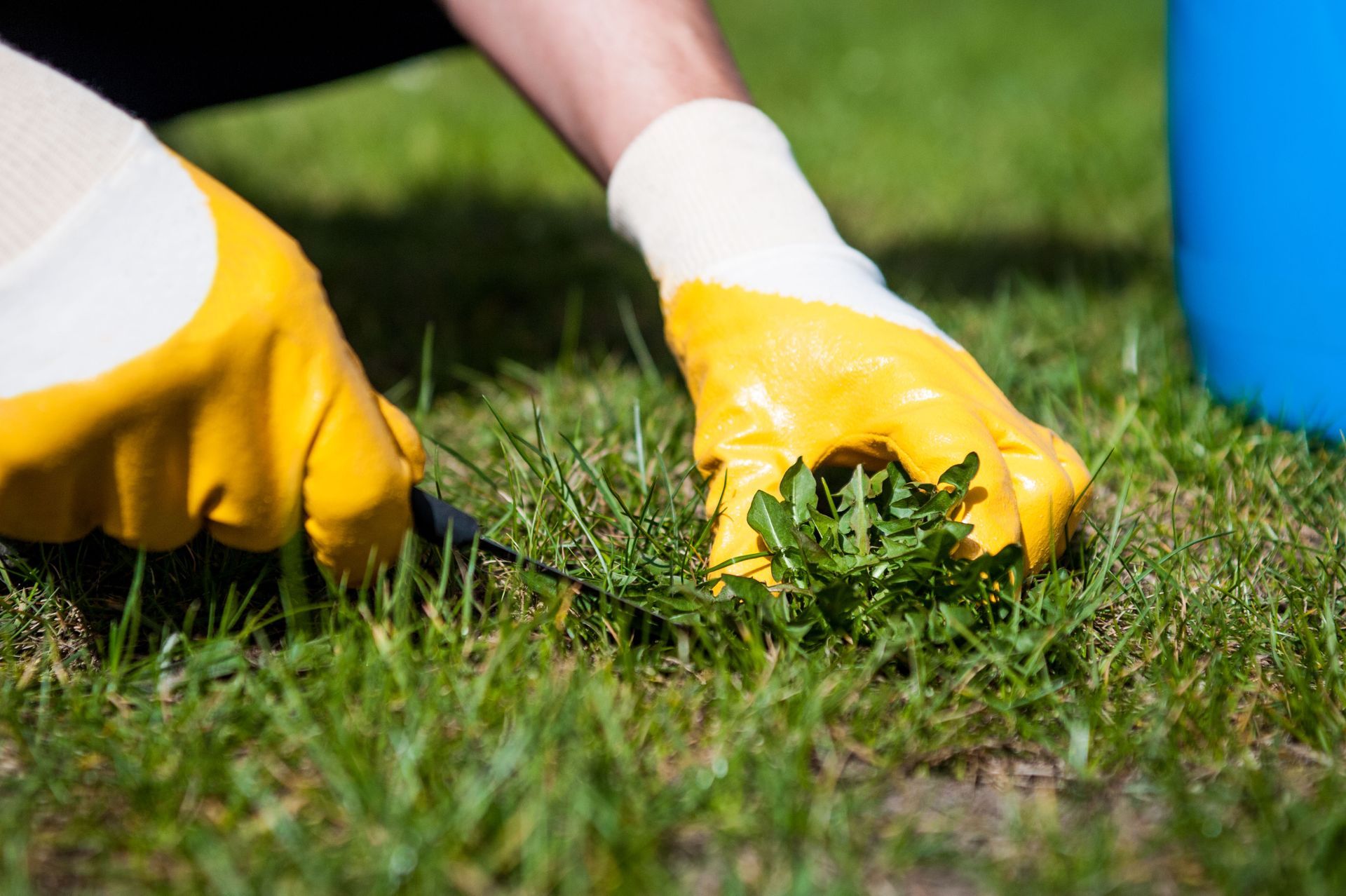
Mechanical control through hoeing remains a highly effective method for disrupting weed growth early in the season before root systems fully establish. Using tools such as a Dutch or oscillating hoe allows weed control companies to cut through weed tops and aerate the soil, which improves oxygen flow to the roots of desirable plants. To maintain the integrity of the garden, a sharp blade and shallow depth are necessary to prevent accidental damage to the root systems of beneficial flora. Consistent hoeing eventually depletes the weed seed bank and keeps invasive species from gaining a foothold in the garden beds.
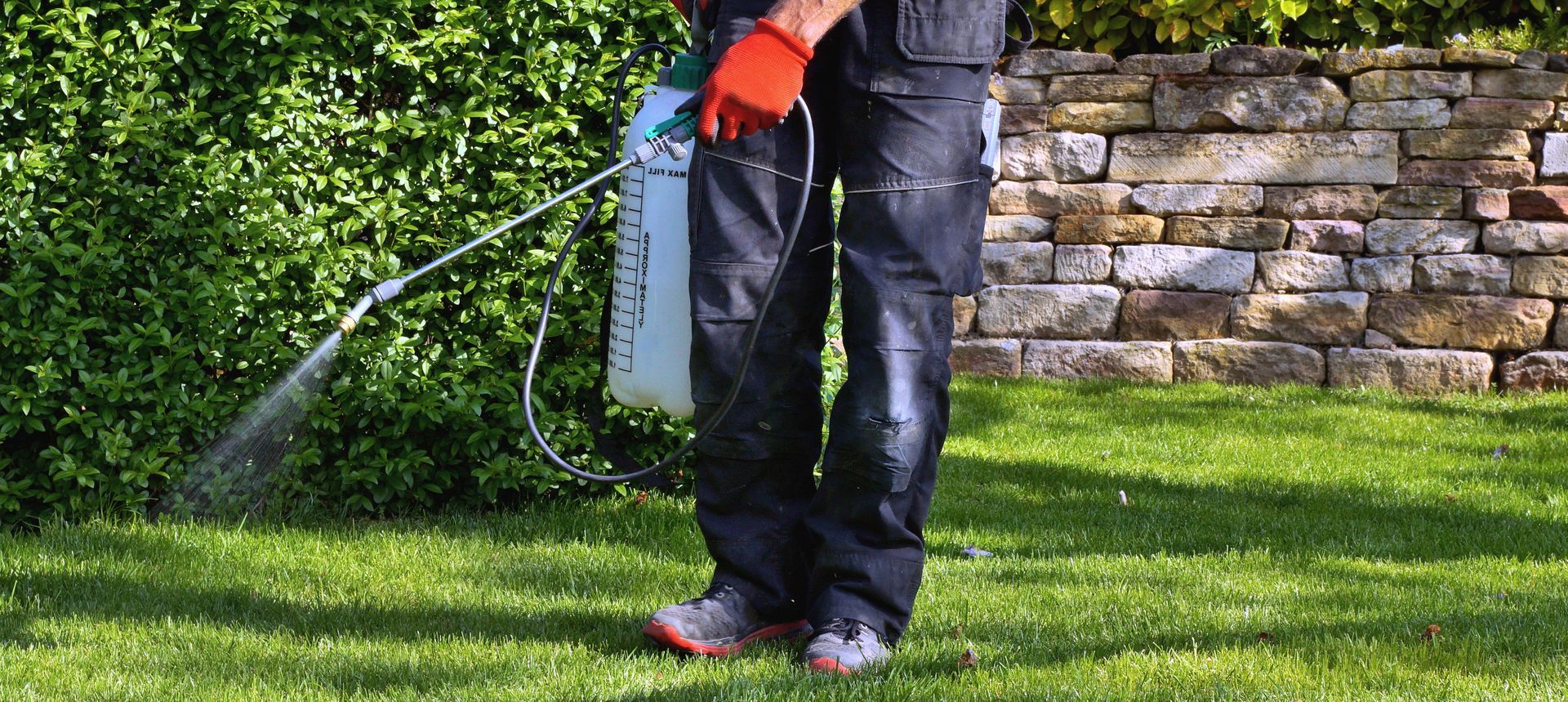
Organic herbicides offer a natural alternative for gardeners who prefer environmentally friendly solutions over traditional chemicals. These products often utilize ingredients like vinegar, essential oils, and plant-based acids to target weeds without leaving behind harmful residues in the soil. While these non-selective formulas typically work on contact and may require more frequent applications than synthetic versions, they align perfectly with sustainable gardening goals. Understanding how these substances interact with young, actively growing weeds allows for a tailored approach to managing specific outbreaks.
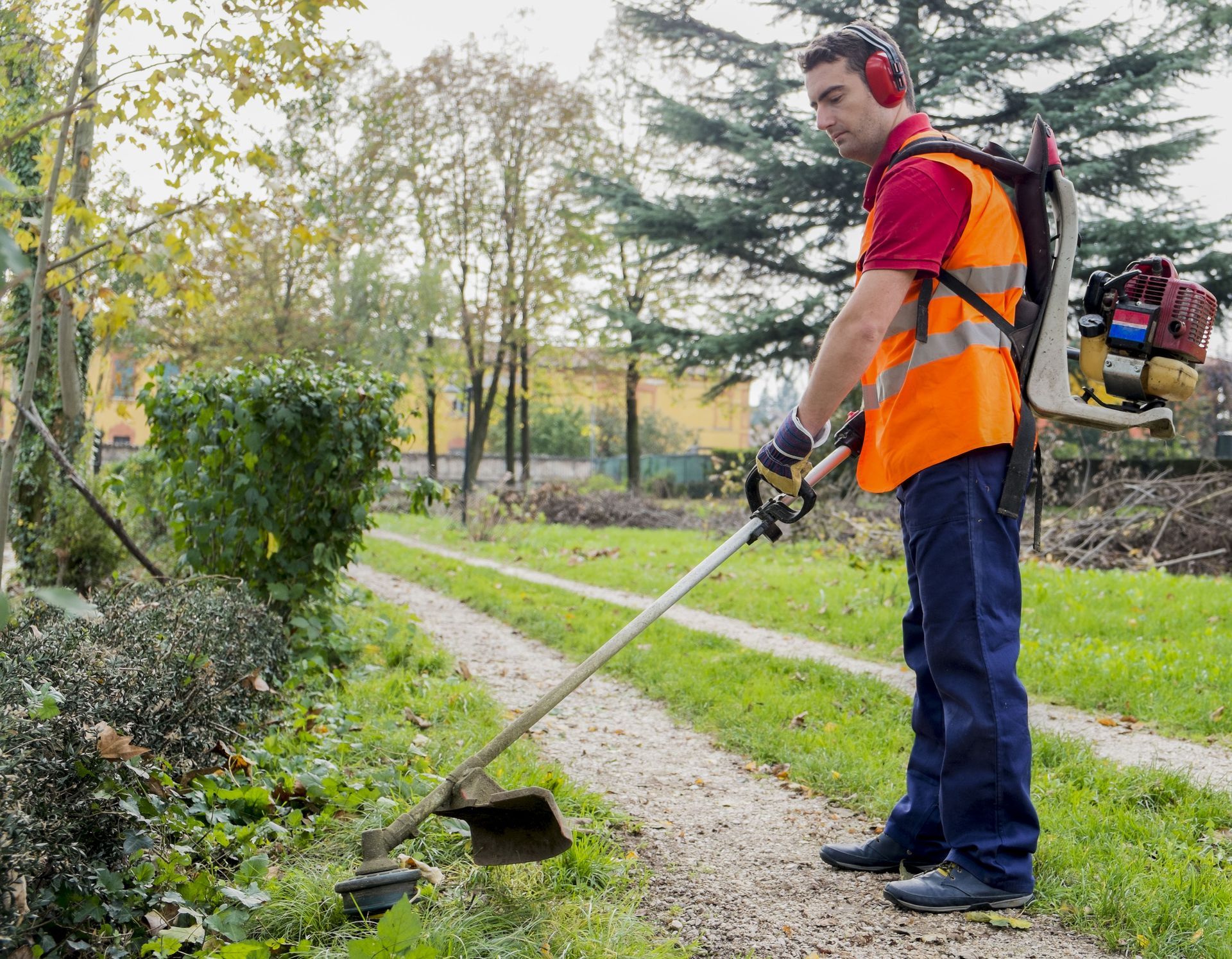
Successful weed management requires a holistic routine that balances prevention with active mitigation to keep the ecosystem thriving. Professionals must monitor their mulch layers, keep their tools sharp, and apply organic treatments during optimal weather conditions to achieve the best results. Protective gear and careful timing help manage the application process safely and effectively. By integrating these various techniques, weed control companies can create a robust environment where desired plants flourish without the constant pressure of competitive weed growth.
The Best Practices for Scheduling and Frequency
Establishing a consistent schedule for weed control companies to provide service forms the backbone of an effective garden management plan. Frequency often depends on specific growing conditions, but maintaining a biweekly or monthly interval helps gardeners combat invasive species before they mature and set seed. This proactive approach prevents weeds from becoming firmly established, which reduces their negative impact on soil health and plant growth. A reliable timetable also makes it easier to organize broader gardening initiatives and maintain a tidy aesthetic.
Optimal scheduling requires gardeners to account for seasonal variations and local growth patterns. Many opportunistic annuals, such as crabgrass, begin germinating rapidly once soil temperatures reach 55°F, necessitating precise and timely intervention. Developing a deep understanding of the life cycles of local weed species helps in creating a strategy that targets crucial growth stages. By factoring in these environmental triggers, gardeners can mitigate infestations early and maintain continuous control over their landscape.
Tailoring these tasks to coincide with other maintenance activities provided by weed control companies helps streamline overall labor and energy. For example, integrating weed removal with routine tasks like fertilization, watering, or pruning promotes a holistic approach to plant care. This synchronized effort saves time while guaranteeing that every section of the garden receives the specific attention required to flourish. An organized schedule ultimately yields lasting benefits by combining suppression efforts with general nourishment and structural maintenance.
Beyond just physical labor, a well-planned frequency for garden maintenance fosters a more resilient ecosystem. Regular checkups allow for the early detection of pests or diseases that weeds might otherwise hide or spread. By remaining vigilant and sticking to a structured routine, gardeners can prevent small issues from turning into garden-wide problems. This dedication to consistency results in a vibrant environment where desired plants can reach their full potential without the constant stress of competition.
Consistent weed management provides the foundation for a flourishing and resilient garden by eliminating the constant competition for light, water, and soil nutrients. By integrating proactive mulching, mechanical hoeing, and natural treatments into a regular schedule, weed control companies can protect their plants from the invisible threats of root entanglement and disease transmission. This dedicated approach to maintenance creates a vibrant ecosystem where desired species can reach their full potential without the burden of invasive growth. Contact East Valley Weed Control today to schedule your expert weed control service and restore the natural beauty of your landscape.
Share On: